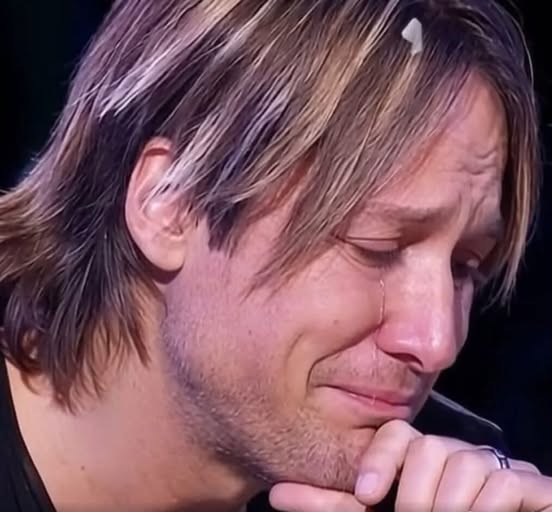
Country music superstar Keith Urban reached out to his fans, asking them to keep him in their prayers during a challenging time
Keith Urban’s life can’t be summarized by trophies, ticket sales, or chart positions. Those are the visible markers people recognize, but they’re not the core of the story. The real through-line is simpler and harder-earned: the way he’s built a career while staying anchored to family, honesty, and a sense of responsibility that goes beyond the stage.
Born October 26, 1967, in Whangārei, New Zealand, Urban didn’t grow up in the glare of fame. His family moved to Australia when he was young, and his childhood was shaped by ordinary routines, early passions, and a home environment that encouraged curiosity. Music wasn’t a branding strategy; it was a refuge. His father put a guitar in his hands, and that single gesture became a hinge point in Urban’s life. He didn’t just learn chords. He found a language for emotion, for energy, for everything he couldn’t fully explain out loud.
As a teenager and young adult, he chased the work the way serious musicians do: local bands, small stages, talent competitions, long nights rehearsing until his fingers ached. That period didn’t come with glamour. It came with repetition, setbacks, and the kind of discipline people don’t notice because it happens before the spotlight arrives. But it forged him. It taught him how to show up even when nobody was watching, which is the only way you become the kind of artist who can stand in front of tens of thousands and make it feel personal.
Over time, that drive carried him far beyond the Australian music scene. Urban built momentum, then built a reputation: not just as a singer with an appealing voice, but as a musician with serious technical skill and a performer who could command a room without hiding behind spectacle. His songs hit because they were emotional without being fake, polished without being sterile. He leaned into stories about love, doubt, longing, and hard-earned hope—things people actually live.
Then came a chapter of his life that shifted the public’s view of him in a different way. In 2005, Urban met actress Nicole Kidman at the G’Day LA event, a gathering that celebrates Australian talent in the United States. Their connection didn’t unfold like a headline, but it didn’t stay private either. It moved quickly and deliberately, the way it does when two people recognize something real. They married in 2006 and built a home life that—by the standards of celebrity culture—has been remarkably grounded. Together they’ve raised two daughters while navigating the pressures that come with public attention, travel, and careers that never truly switch off.
What’s striking about their partnership isn’t just longevity. It’s the way Urban consistently frames it: family as the center, not the accessory. In interviews and public moments, he doesn’t treat his personal life like a marketing extension. He treats it like the reason he can function. Fame can inflate ego or hollow people out. Urban has always sounded like someone who understands that success doesn’t protect you from life—it just makes your life more visible.
That visibility hasn’t always been comfortable, and Urban has never pretended otherwise. He’s been candid about the reality that constant scrutiny, relentless schedules, and personal pressure can push anyone toward unhealthy coping mechanisms. Instead of dressing his story up as effortless triumph, he has acknowledged struggle as part of the landscape. That honesty matters because it’s rare. Many public figures sell perfection. Urban has leaned, again and again, toward vulnerability and accountability.
One of the deepest currents running through his life is loss. The death of his father from prostate cancer wasn’t just a personal heartbreak; it became a long-term turning point in how Urban thinks about purpose. Grief has a way of clarifying what matters, and for him it sharpened a commitment to cancer awareness and fundraising. That commitment isn’t limited to speeches or symbolic gestures. He has shown up, performed, donated time, and used his reach to pull attention toward research and support initiatives.
A notable example came in 2018 at the “It’s A Bloke Thing” luncheon in Australia, an event focused on raising funds for prostate cancer. Urban performed without taking a fee, helping drive major fundraising outcomes and pushing the cause into wider public view. The details matter because they show pattern, not a one-off. He doesn’t treat philanthropy as a side project for good PR. He treats it like a responsibility that comes with having a platform.
That sense of responsibility also shows up in the way he interacts with fans. He has always had a reputation for being unusually present, whether that’s through spontaneous moments at shows, personal acknowledgments, or direct communication that feels less like a press release and more like a human being talking. The bond between an artist and an audience can be transactional—music for money, attention for adoration—but with Urban it often reads as reciprocal. He gives people something real, and they respond with loyalty that isn’t manufactured.
That was especially clear when he reached out publicly during a difficult period and asked fans to keep him in their prayers. Whatever the exact challenge was, the response was immediate and overwhelming: messages of support, encouragement, and gratitude pouring in from around the world. It wasn’t just people reacting to a celebrity moment. It was a community responding to someone they feel they know, at least in the emotional sense. That kind of connection doesn’t happen by accident. It’s built over years of consistency—showing up, staying respectful, being open when it would be easier to hide behind a brand.
Urban’s artistry, meanwhile, has stayed central, not diluted. His catalog moves between high-energy anthems and songs that carry quiet weight. Tracks like “Somebody Like You,” “You’ll Think of Me,” and “Blue Ain’t Your Color” aren’t just radio staples; they’ve become emotional landmarks for listeners because they capture feelings without talking down to them. He sings like someone who has lived through enough to mean what he’s saying. That authenticity is why his work keeps landing with new generations of fans, not just the people who discovered him decades ago.
Beyond cancer advocacy, he has supported a wider range of causes over the years, from music education to disaster relief and mental health initiatives. The common thread is empathy. He doesn’t position himself as a savior. He positions himself as someone who’s been helped, who’s been humbled, and who understands that attention can be used as leverage for something better than applause.
In the end, Keith Urban’s story isn’t just “talented musician marries famous actress and wins awards.” It’s the story of someone who has managed to stay human while living a life designed to dehumanize. It’s the story of a man shaped by early support, sharpened by discipline, steadied by family, and deepened by loss. It’s also the story of what it looks like when a public figure doesn’t hide from struggle, doesn’t pretend to be untouchable, and doesn’t forget where real meaning comes from.
His legacy will always include the music and the milestones. But the deeper legacy is the tone he’s set: work hard, stay accountable, love your people, and use what you’ve got to lift something bigger than yourself. That’s what lasts when the lights go out.