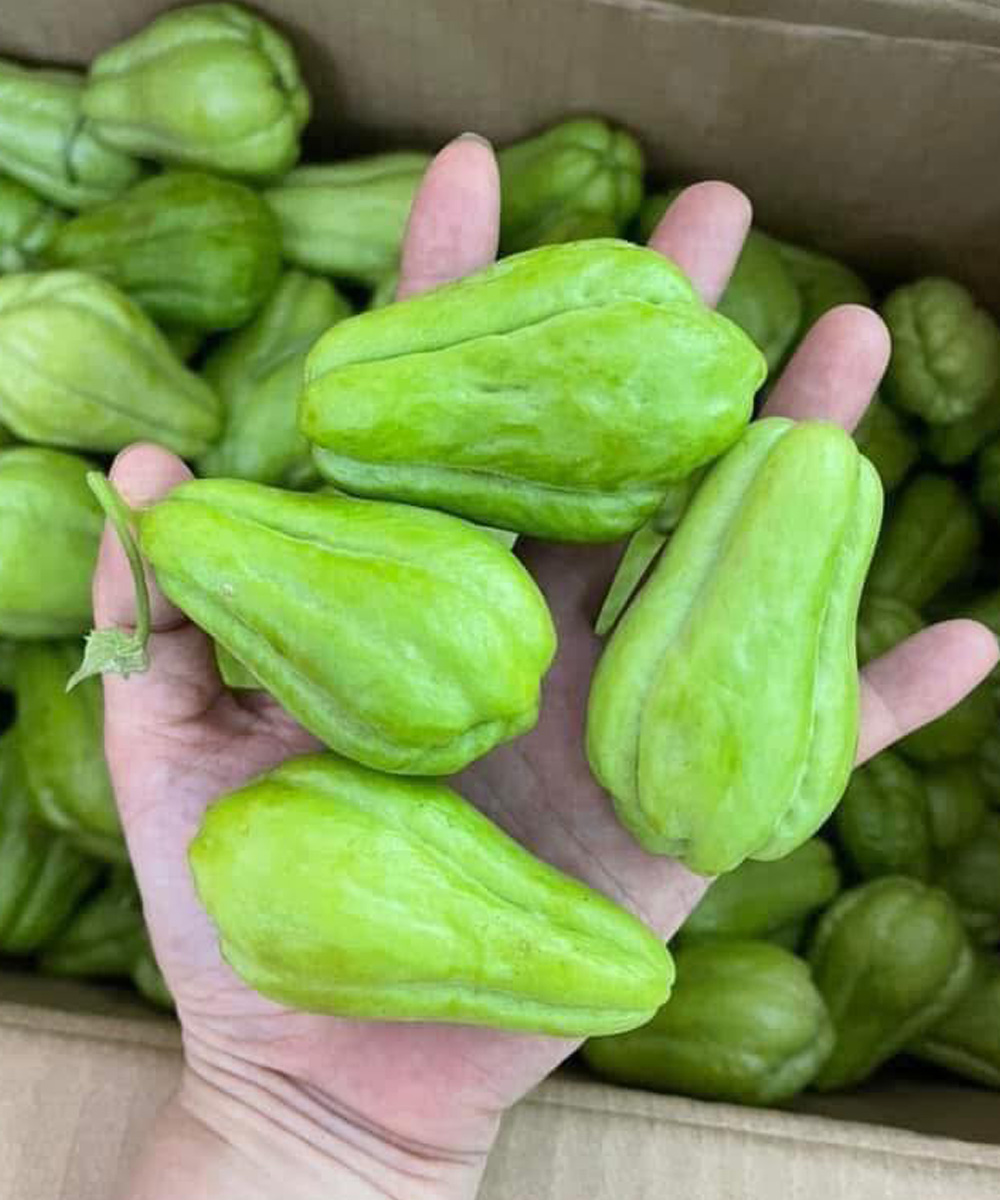
Doctors reveal that eating chayote causes ….
Maintaining balanced blood sugar is a cornerstone of long-term health, particularly for individuals concerned about metabolic conditions such as Type 2 Diabetes. While medications, physical activity, and lifestyle changes all contribute to glucose control, nutrition often plays the most consistent and powerful role.
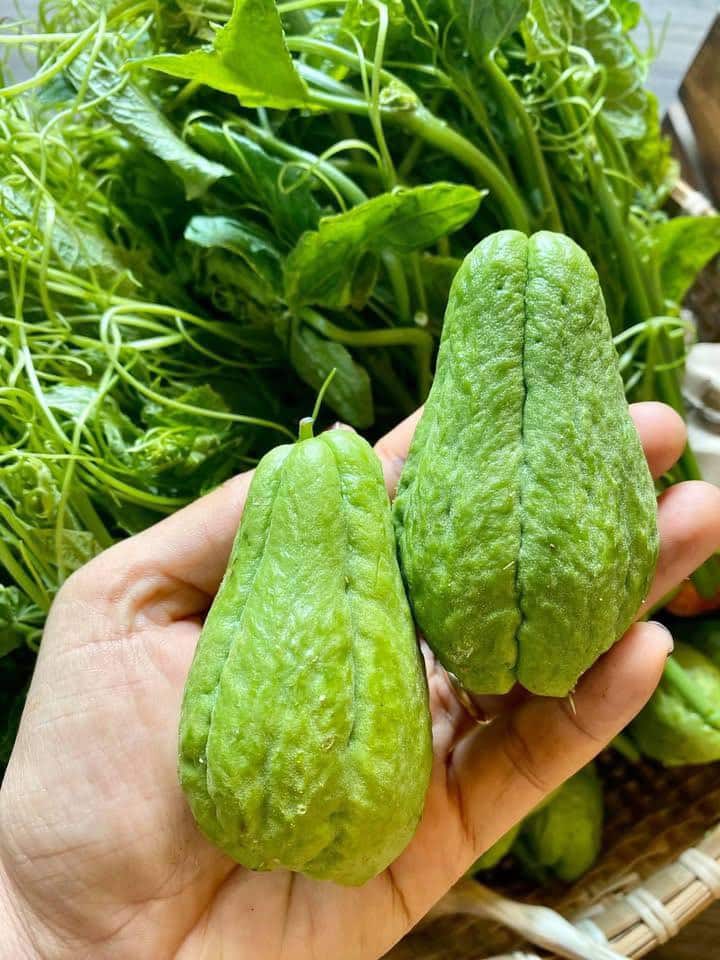
Among the many vegetables that support metabolic health, one surprisingly effective option is Chayote. Though frequently overlooked in everyday cooking, this mild-tasting green squash offers a nutritional profile that may help stabilize blood sugar and support overall metabolic balance.
Chayote is naturally rich in water, fiber, and beneficial plant compounds, making it a practical addition to meals for anyone aiming to maintain steady glucose levels.
Low Glycemic Impact Helps Prevent Sugar Spikes
One of the most important dietary considerations for blood sugar control is the glycemic index (GI)—a measure of how quickly food raises glucose in the bloodstream.
Chayote has a very low glycemic impact, meaning the carbohydrates it contains are digested slowly. This gradual digestion helps avoid the rapid spikes and sudden drops in blood sugar that can occur after eating foods high in refined carbohydrates.
Because of this slow release of glucose, chayote can be a helpful vegetable choice for people trying to prevent or manage blood sugar fluctuations associated with Type 2 Diabetes.
Fiber Supports Stable Glucose Levels
Another key reason chayote may help regulate blood sugar is its dietary fiber content.
Fiber slows the digestion and absorption of carbohydrates in the digestive tract. This means glucose enters the bloodstream more gradually, helping maintain stable levels throughout the day.
A fiber-rich vegetable like chayote may help:
- Reduce post-meal blood sugar spikes
- Improve the body’s insulin response
- Promote longer-lasting fullness and appetite control
For individuals working to maintain steady glucose levels, increasing daily fiber intake can make a meaningful difference.
Plant Compounds May Improve Insulin Sensitivity
Chayote also contains naturally occurring antioxidants and flavonoids—plant compounds known to support metabolic health.
These compounds may help improve insulin sensitivity, which allows the body’s cells to absorb glucose from the bloodstream more efficiently. When insulin works effectively, the body can regulate blood sugar levels with less strain on the pancreas.
Although more research continues to explore these mechanisms, diets rich in plant-based antioxidants are widely associated with improved metabolic balance.
Low Calories Support Healthy Weight
Body weight plays a major role in blood sugar regulation. Excess weight is one of the strongest risk factors for insulin resistance.
Chayote contains very few calories and is composed of roughly 90–95% water, which makes it filling without adding significant energy intake.
Including low-calorie vegetables like chayote in meals can help:
- Support healthy weight management
- Increase meal volume without excess calories
- Replace higher-carbohydrate ingredients in recipes
Over time, maintaining a healthy weight contributes significantly to improved glucose control.
Rich in Important Nutrients
Beyond its role in blood sugar regulation, chayote provides several nutrients essential for overall metabolic health:
- Potassium – helps regulate blood pressure and supports heart health
- Vitamin C – strengthens immune defenses and reduces inflammation
- Folate – supports cellular repair and is particularly important during pregnancy
These nutrients contribute to a balanced diet that supports both cardiovascular and metabolic function.
Additional Health Benefits
Alongside its potential benefits for blood sugar control, chayote may also support other aspects of wellness:
- Heart health: potassium and fiber may help reduce the risk of Hypertension
- Digestive health: fiber promotes healthy digestion and gut function
- Weight management: low calories and high water content support satiety
- Immune support: vitamin C and antioxidants help protect the body from oxidative stress
Simple Ways to Add Chayote to Your Diet
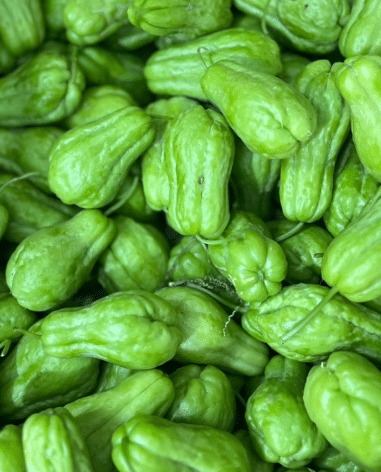
One of chayote’s greatest advantages is its versatility. Its mild flavor allows it to absorb the taste of other ingredients, making it easy to incorporate into many meals.
Some simple preparation ideas include:
- Steamed or boiled as a light side dish
- Stir-fried with garlic, onions, and olive oil
- Added to soups and vegetable stews
- Thinly sliced raw in salads for extra crunch
- Blended into smoothies for additional fiber
Because of its adaptable texture and neutral taste, chayote can also substitute for higher-carbohydrate vegetables in certain recipes.
A Modest Vegetable With Meaningful Benefits
Chayote is not a cure for metabolic conditions. However, its combination of low glycemic impact, fiber, antioxidants, and essential nutrients makes it a valuable addition to a balanced diet aimed at maintaining healthy blood sugar levels.
When combined with regular physical activity, mindful eating habits, and appropriate medical care, small dietary choices—such as including chayote in everyday meals—can contribute to better metabolic health over time.
Sometimes, the most powerful nutritional tools are also the simplest.