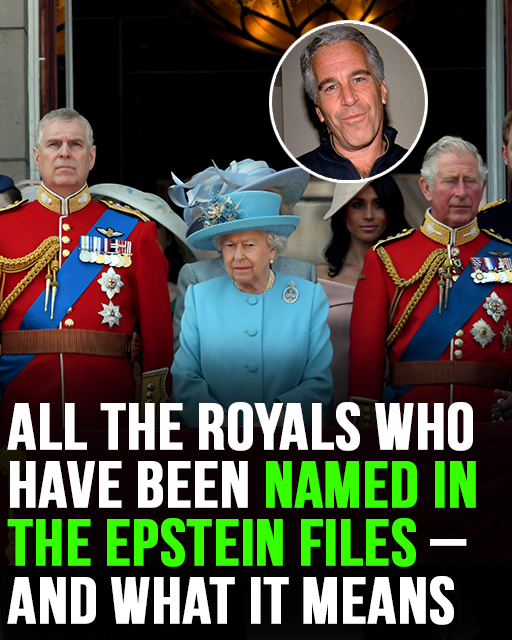
All the royals who have been named in the Epstein files – and what it means
The long-anticipated release of the latest trove of documents connected to Jeffrey Epstein has finally landed — and as expected, it has reignited public debate rather than bringing closure.
After months of speculation and sustained pressure from lawmakers, journalists, and victims’ advocates, the U.S. Department of Justice released more than 3.5 million records under the Epstein Files Transparency Act, passed in November. The materials include emails, text messages, photos, videos, and internal correspondence spanning years of Epstein’s contacts and activities.
Deputy Attorney General Todd Blanche said on January 30 that the disclosure followed “a very comprehensive document identification and review process” aimed at complying with the law and ensuring transparency.
That said, officials were careful to emphasize a crucial point: a name appearing in the files does not, by itself, establish wrongdoing. Many individuals are mentioned simply because they were referenced by others or appeared in correspondence without any proven connection to criminal behavior.
Even so, the sheer scope of the documents has drawn renewed attention to a wide range of high-profile figures — particularly within royal and political circles.
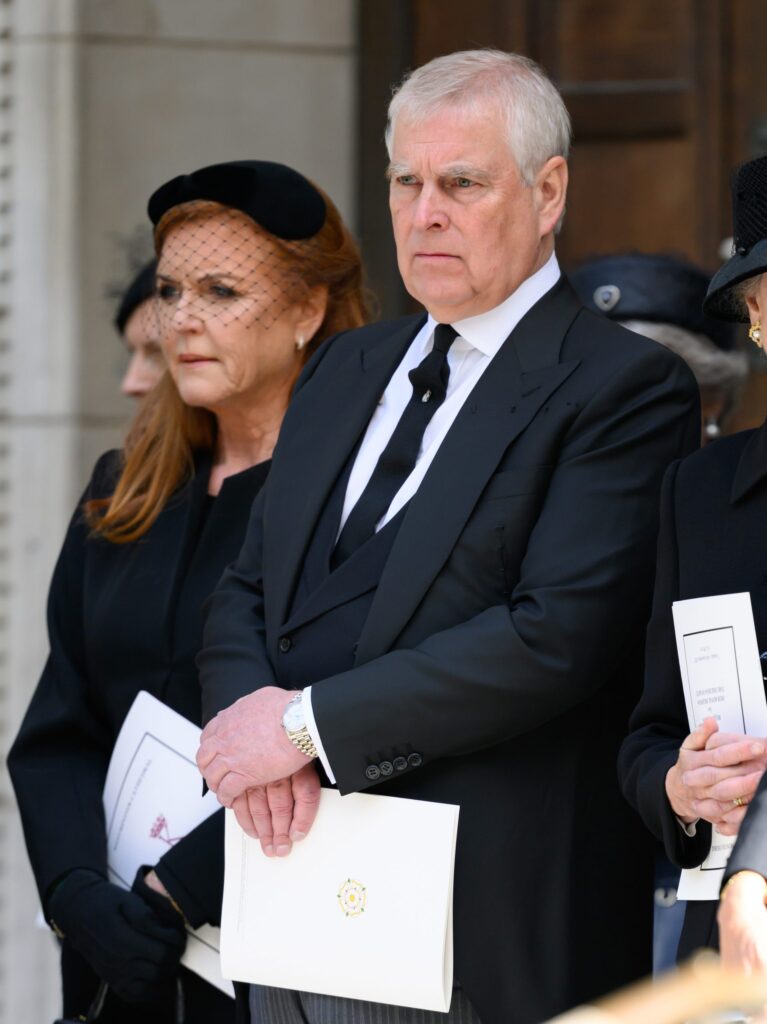
One of the most frequently cited names is Prince Andrew. His association with Epstein has been scrutinized for years, largely due to allegations made by Virginia Giuffre, who accused Andrew of sexually assaulting her when she was a minor. Giuffre, who died by suicide in April 2025, settled her civil lawsuit with Andrew in 2022. He has consistently denied the allegations.
The newly released files reportedly reference Andrew hundreds of times. Among the material is an image that has drawn particular attention, as well as email exchanges allegedly involving a sender identified as “HRH The Duke of York.” In one message, the sender discusses meeting a “beautiful” Russian woman, and in another, Epstein is invited to Buckingham Palace in 2010 — two years after Epstein’s conviction for soliciting a minor.
Andrew’s former wife, Sarah Ferguson, also appears repeatedly in the documents. Ferguson has previously acknowledged exchanging emails with Epstein after claiming she cut ties with him, explaining that she feared legal retaliation if she publicly criticized him. She accepted £15,000 from Epstein in the past — a decision she later said she deeply regretted.
In a 2025 statement, Ferguson’s spokesperson reiterated that she had been misled by Epstein and severed contact once she understood the seriousness of the allegations, adding that her later emails were sent on legal advice to de-escalate threats of defamation action.
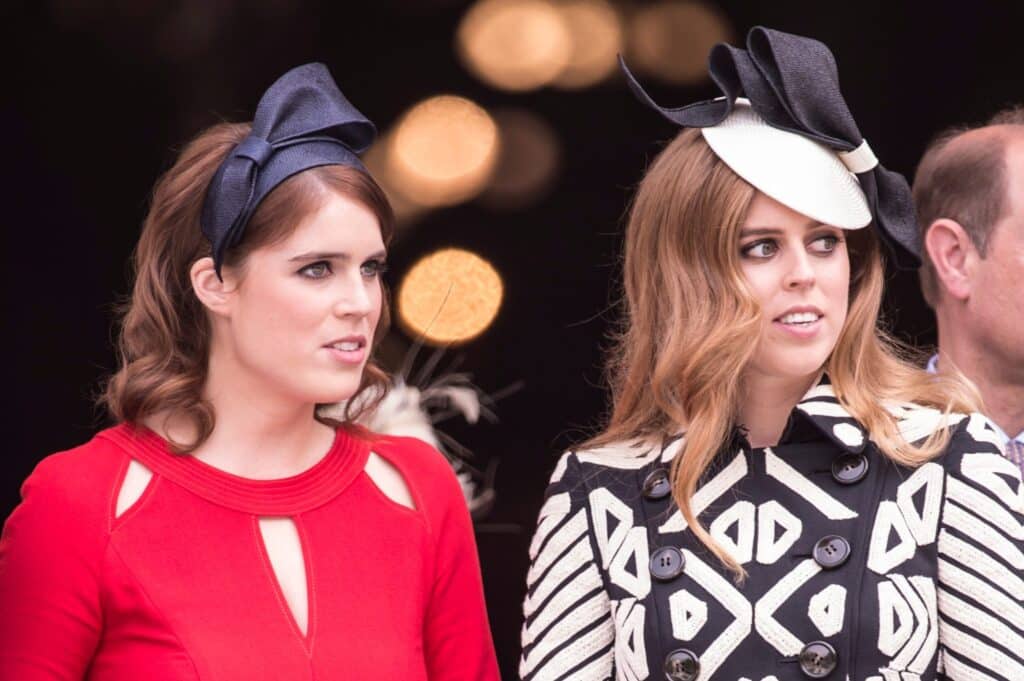
The files also include references to Andrew and Ferguson’s daughters, Princess Beatrice and Princess Eugenie, who were teenagers at the time of Epstein’s crimes. According to the records, Andrew sent Epstein several photos of his daughters between 2011 and 2012, showing them engaged in everyday activities such as skiing, charity cycling, and mountaineering. There is no indication that the sisters had any involvement in or knowledge of Epstein’s criminal behavior.
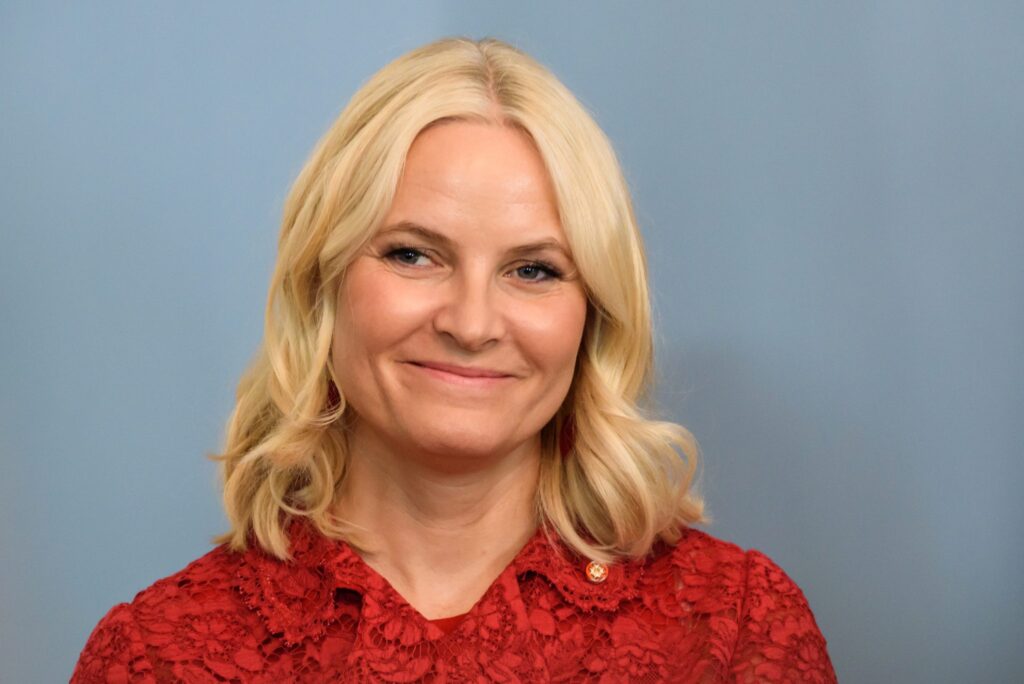
Another royal figure whose name appears extensively is Crown Princess Mette-Marit. While her prior contact with Epstein was publicly acknowledged in 2019, the latest release suggests the relationship was more prolonged than previously understood. Mette-Marit is reportedly mentioned more than 1,000 times, with correspondence continuing between 2011 and 2014 — years after Epstein’s first conviction.
Some of the emails show warm language, including remarks such as “you tickle my brain” and references to Epstein as “soft-hearted” and “such a sweetheart.” In a statement issued January 31, 2026, Mette-Marit said she “showed poor judgment” and described the relationship as “deeply embarrassing,” reiterating her regret for any contact with Epstein.
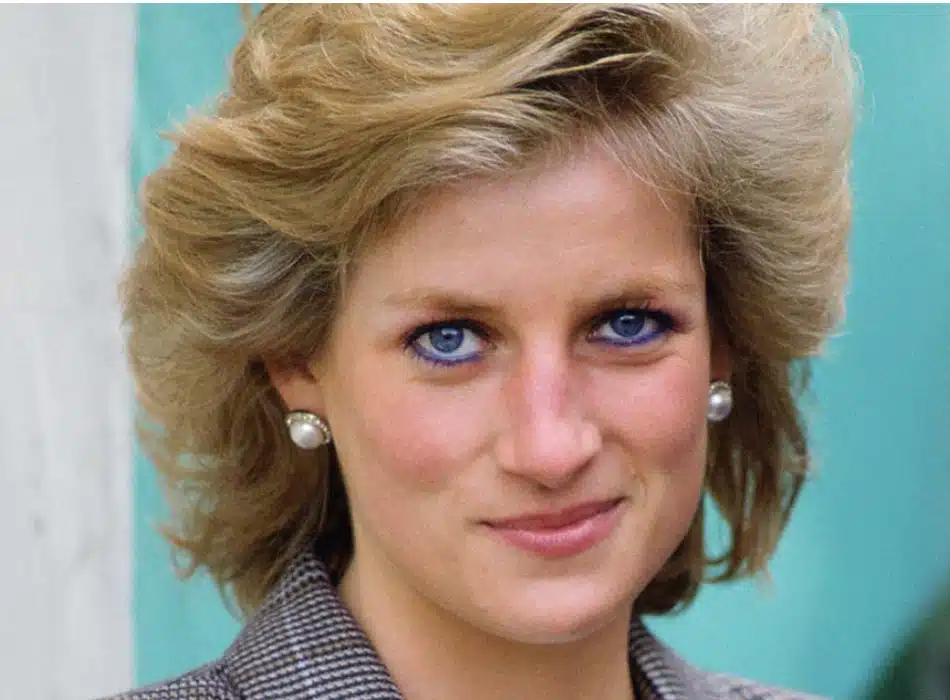
Even Princess Diana is referenced in the files, despite having died in 1997. Her name reportedly appears 14 times. However, there is no evidence that Diana ever met Epstein or had any direct contact with him. A claim attributed to Ghislaine Maxwell, currently serving a 20-year prison sentence for sex trafficking minors, suggested Epstein and Diana may have attended the same London event — but even that account was described as uncertain.
The files also mention Queen Camilla on several occasions. There is no suggestion of a personal relationship between Camilla and Epstein; her name appears to surface only in passing references or media articles shared among Epstein’s contacts.
As expected, the release has left many questions unresolved. Victims’ advocates and legal experts have criticized ongoing redactions and the absence of clarity around earlier prosecutorial decisions that allowed Epstein to avoid accountability for years.
What the documents ultimately reveal is less a single explosive revelation than a disturbing pattern: how proximity to power, wealth, and influence allowed Epstein to operate in plain sight — and how many people, knowingly or not, remained within his orbit.
The public now faces the task of separating implication from evidence, association from accountability — a process that is likely to continue long after the initial shock of the document release fades.