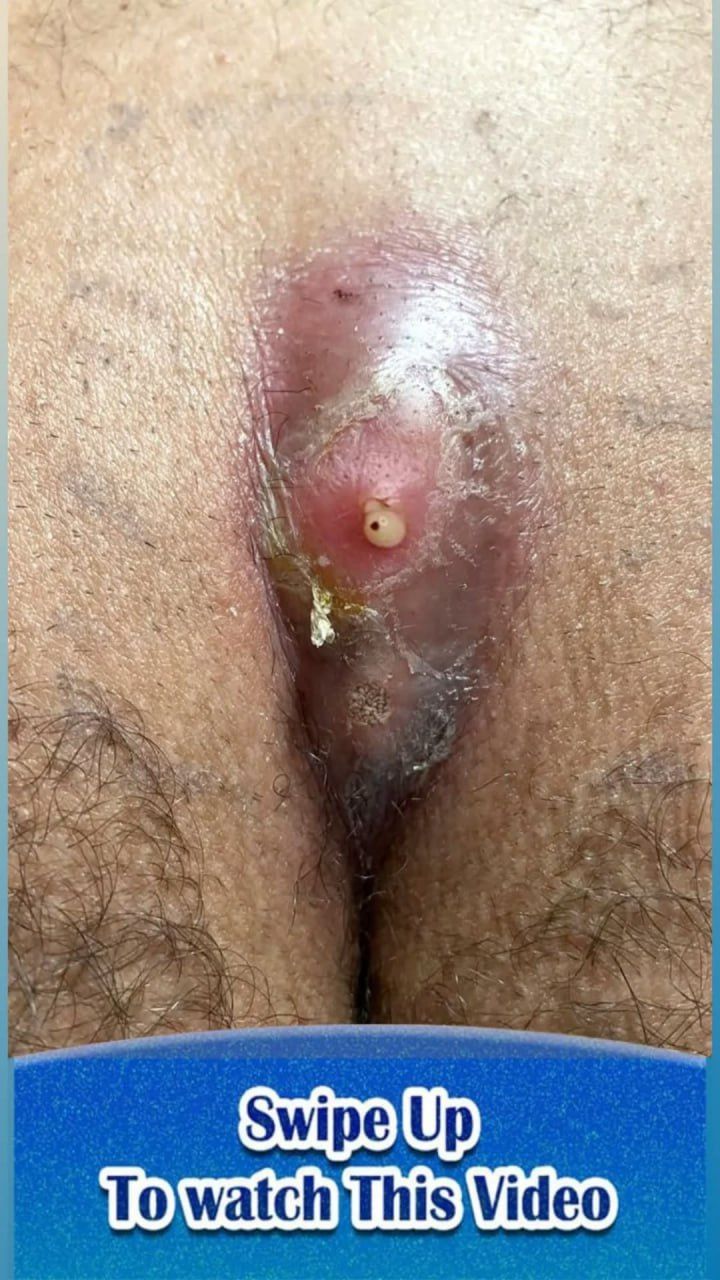
MILD ACNE ON SKIN
Pimple and acne treatment depends largely on severity, skin type, and underlying causes. Mild or occasional breakouts can often be managed with over-the-counter products containing ingredients such as benzoyl peroxide or salicylic acid, which help reduce inflammation, control bacteria, and keep pores from becoming blocked.
For acne that is persistent, painful, widespread, or leaving marks, seeing a dermatologist is important. A specialist can assess the specific type of acne involved and recommend treatment based on medical history, lifestyle, and skin sensitivity rather than trial and error.
Prescription options may include topical retinoids, antibiotics, or hormonal therapies, depending on the cause of the breakouts. These treatments work in different ways—regulating oil production, reducing inflammation, limiting bacterial growth, and supporting healthy skin cell turnover. Because they can also cause irritation if misused, professional guidance matters.
In some cases, procedures such as chemical peels, light or laser treatments, or targeted treatment of cysts may be recommended to improve texture and reduce scarring. These are typically used alongside daily skincare, not as standalone solutions.
From a deeper lens, acne care is less about perfection and more about consistency and patience. Most treatments take weeks to show results, and setbacks are common. Regular routines, gentle cleansing, sun protection, and follow-up appointments play a major role in long-term improvement.
If acne is affecting confidence or emotional well-being, that is also a valid reason to seek support. Skin conditions are medical issues, not personal failures. With appropriate care and realistic expectations, most people can achieve healthier, more comfortable skin over time.