SOTD – Sarah Palin was crushed after her 27-year role model marriage ended by email, now she is found love again
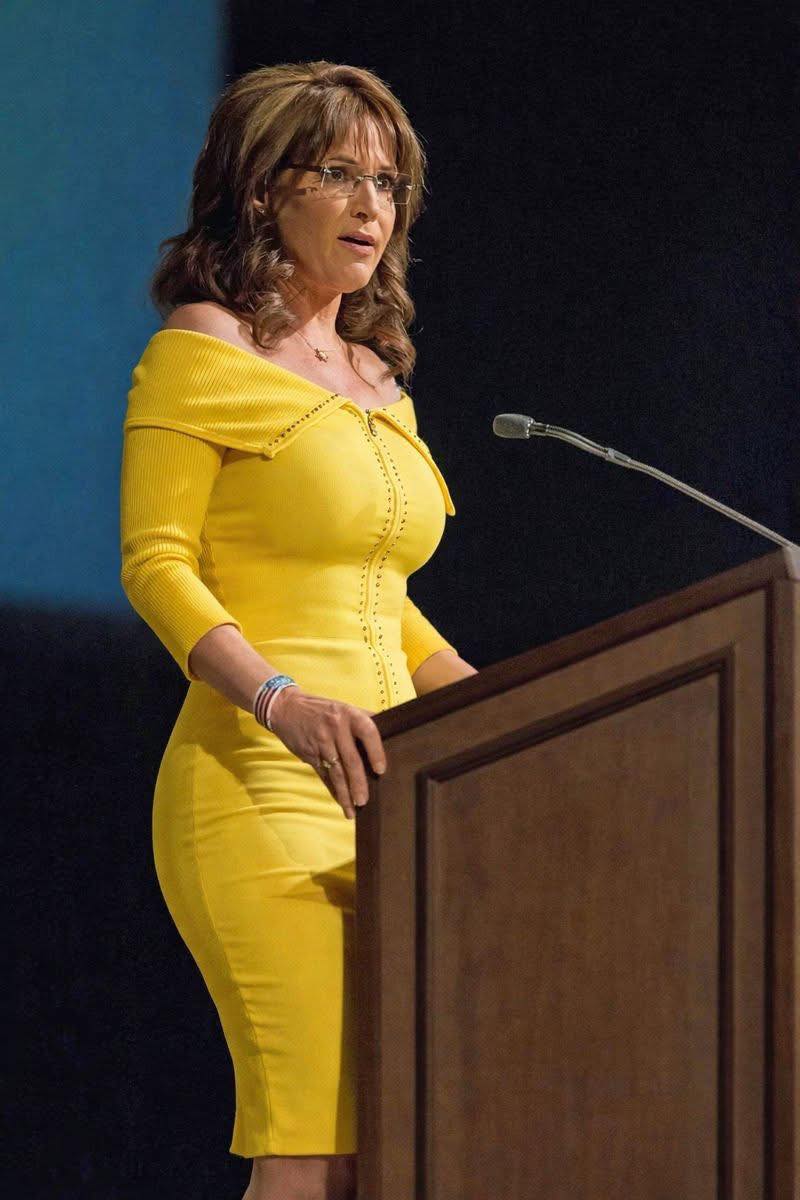
For much of the American public, Sarah Palin seemed to appear out of nowhere. In 2008, when John McCain tapped the relatively unknown governor of Alaska as his vice-presidential running mate, Palin was instantly thrust onto the national stage. Her sharp delivery, unapologetic confidence, and outsider persona made her impossible to ignore. Admirers saw authenticity and grit; critics saw controversy and volatility. Either way, she became one of the most recognizable figures in American politics almost overnight.
What the cameras didn’t show as clearly was the personal cost of that sudden visibility. While Palin’s political rise was meteoric, her private life was quietly absorbing pressure that would take years to fully surface. Long after the rallies ended and the headlines moved on, the consequences of that era continued to unfold—most painfully in her marriage.
Palin was born in Sandpoint, Idaho, but her identity was forged in Alaska. Raised in Wasilla, she grew up immersed in small-town life, sports, and a culture that prized self-reliance. In high school, she stood out as a disciplined, competitive athlete, particularly on the basketball court. It was through that world that she met Todd Palin, a quiet, hardworking local who would become her husband and long-term partner.
Their early years together were modest and unpolished in the way real life often is. In 1988, with little money and no interest in spectacle, they eloped at a courthouse. Lacking witnesses, they reportedly recruited a few from a nearby retirement home—an anecdote Palin would later recount as a symbol of their unpretentious beginnings. Over the next three decades, they built a life that, at least from the outside, looked steady and resilient. They raised five children, worked in Alaska’s fishing and oil industries, and navigated the routines of family life far from national attention.
Palin’s ambitions eventually carried her into politics. She moved from local office to statewide prominence, and in 2006 made history by becoming Alaska’s first female governor and its youngest. Through it all, Todd Palin remained largely in the background. He was often described as the “First Dude,” a label he never seemed to chase. An oil-field worker and competitive snowmobile racer, he took on more responsibility at home as his wife’s public role expanded.
When Palin joined the Republican ticket in 2008, the strain on their marriage intensified. The campaign was relentless. Media scrutiny was unforgiving. Every aspect of their lives—from parenting choices to wardrobe—was dissected. Todd Palin stepped back from his own work to support the campaign and care for their children, a reversal of traditional roles that drew both praise and criticism. Publicly, the marriage appeared intact, even strong. Privately, the pressure was accumulating.
After the election, Palin’s relationship with national politics became increasingly complicated. She resigned as governor in 2009, citing ethical complaints and distractions that she said were hindering her ability to govern. While she remained a prominent media figure and political voice, the structure of her life shifted. What had once been a shared mission between two people began to feel less aligned.
The breaking point came years later. In 2019, after more than three decades together, Todd Palin filed for divorce. The way Sarah Palin learned of it would later become one of the most painful details of the story. She revealed that she was notified by email from an attorney, not through a personal conversation. For her, the shock was not just the end of the marriage, but the manner in which it ended. She described feeling blindsided and devastated, struggling to reconcile the abruptness with the length of the relationship they had shared.
The divorce was finalized in March 2020, closing the chapter on a marriage that had lasted over thirty years and spanned youth, parenthood, political ascent, and national scrutiny. Since then, communication between the former couple has reportedly been limited and practical, focused largely on co-parenting their youngest child. Todd Palin moved forward with a new relationship, choosing a quieter life away from the spotlight.
For Sarah Palin, the aftermath was harder to navigate. She spoke openly about the loneliness that followed and the emotional toll of the separation. The public often treats political figures as abstractions, but divorce has a way of cutting through ideology and reputation. For Palin, it forced a reckoning not just with a failed marriage, but with her identity beyond politics, fame, and public expectation.
Over time, however, she began to rebuild. That process included reconnecting with Ron Duguay, a longtime friend whose presence became more visible during Palin’s later public appearances and campaigns. Their relationship developed quietly, without the fanfare that once surrounded her personal life. For Palin, that discretion appeared intentional—a departure from years when every aspect of her life was treated as public property.
Today, Palin’s story reads less like a political biography and more like a human one. Her rise was sudden and polarizing. Her fall from the political center was gradual and complex. And her personal life, once held up as an example of traditional stability, fractured in a way that was deeply personal and painfully public. What remains is not a cautionary tale or a redemption arc, but something more grounded: a portrait of a woman navigating ambition, loss, and reinvention under extraordinary scrutiny.
She is no longer at the center of American politics, and she does not appear eager to return to that role. Instead, she continues forward on her own terms, shaped more by resilience than spectacle. The marriage that once defined her personal narrative is over, but her life did not end with it. If anything, the distance from the spotlight has allowed a more honest chapter to begin—one less about performance, and more about endurance.
In the end, Sarah Palin’s journey underscores a truth often lost in political theater: behind every public figure is a private life that absorbs the consequences long after the applause fades. Her story is not just about fame gained and lost, but about the quiet work of rebuilding after something foundational breaks.