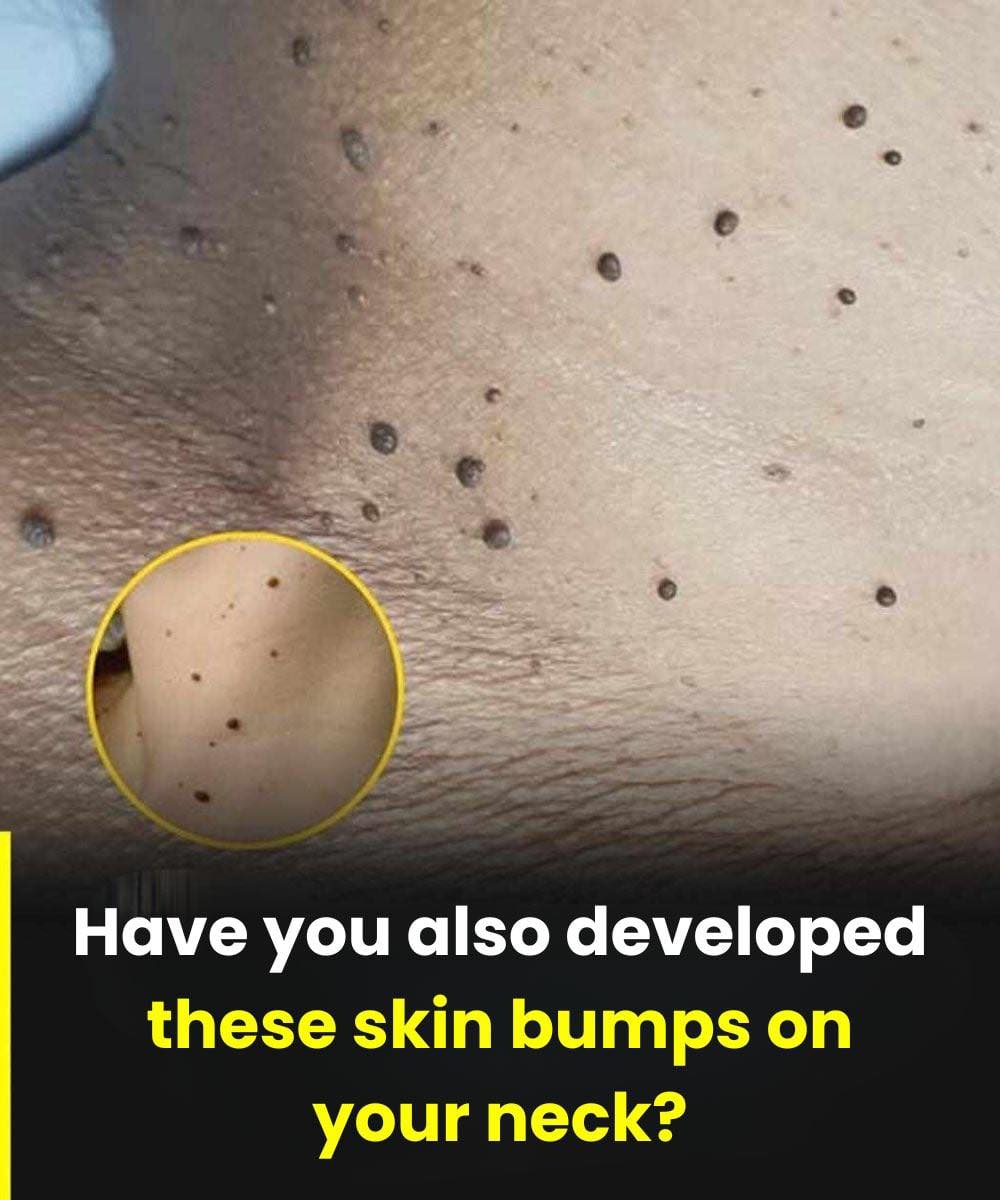
Why Do Skin Tags Suddenly Appear? 6 Common Causes Doctors Talk About
Why Skin Tags Appear: Common Causes and What Dermatologists Want You to Know
Skin tags are small, soft growths that hang from the surface of the skin. They are usually flesh-colored or slightly darker and may appear in different parts of the body. Although they sometimes look unusual or concerning at first glance, these growths are extremely common and are typically harmless.
Many people notice skin tags for the first time in adulthood and are often surprised by how suddenly they seem to appear. In reality, dermatologists explain that skin tags rarely develop because of a single factor. Instead, they usually form due to a combination of physical irritation, hormonal changes, genetics, and other everyday influences.
Understanding why they appear can help explain their sudden arrival and when they might become more noticeable.
Skin Friction
One of the most common reasons skin tags develop is simple friction.
When skin repeatedly rubs against other skin or clothing, the irritation can trigger small growths to form over time. This explains why skin tags frequently appear in areas where skin folds are common, such as:
- The neck
- Underarms
- Groin
- Under the breasts
Continuous rubbing can stimulate skin cells to grow outward, forming the soft, small projections known as skin tags.
People who wear tight clothing, have natural skin folds, or experience frequent skin-to-skin contact may be more likely to notice them developing in these areas.
Aging
Age is another important factor linked to the appearance of skin tags.
Although they can appear at almost any stage of life, many individuals begin noticing them more often during their 40s or 50s.
As the skin ages, its internal structure gradually changes. Collagen and elastin fibers shift, and the skin becomes more sensitive to minor irritation and pressure. These natural changes can make the skin more prone to forming small benign growths.
For many adults, the appearance of skin tags simply reflects the normal aging process of the skin.
Hormonal Changes
Hormones also influence how skin cells grow and regenerate.
Significant hormonal shifts—such as those experienced during pregnancy—can increase the likelihood of developing new skin tags. Many women report noticing them for the first time during pregnancy or during other periods of hormonal change.
Fluctuating hormone levels may affect the way skin repairs itself and responds to friction, allowing small growths to form in sensitive areas.
In most cases, these skin tags are harmless and may stop appearing once hormone levels stabilize.
Body Weight and Skin Folds
People who carry extra body weight sometimes develop skin tags more frequently.
This is largely because additional weight can create more skin folds, increasing the amount of friction between skin surfaces. The constant contact and irritation may contribute to the formation of these small growths.
Common areas affected include:
- The neck
- Underarms
- Inner thighs
While maintaining a healthy weight can reduce some of the conditions that contribute to skin tags, it does not always prevent them entirely.
Insulin Resistance
Research suggests there may also be a connection between skin tags and insulin resistance.
Insulin resistance occurs when the body has difficulty using insulin effectively, which can sometimes be associated with metabolic conditions such as type 2 diabetes.
People who develop multiple skin tags—particularly around the neck or underarms—may occasionally be advised by healthcare providers to check their blood sugar levels. Although skin tags themselves are not dangerous, their presence in large numbers can sometimes signal underlying metabolic changes.
Genetics
Genetics can play a significant role in whether someone develops skin tags.
If parents or close relatives have them, there is a greater chance that other family members will develop them as well. In these cases, skin tags may appear even without obvious causes such as friction, weight changes, or hormonal shifts.
Some individuals simply inherit a tendency to develop these harmless skin growths.
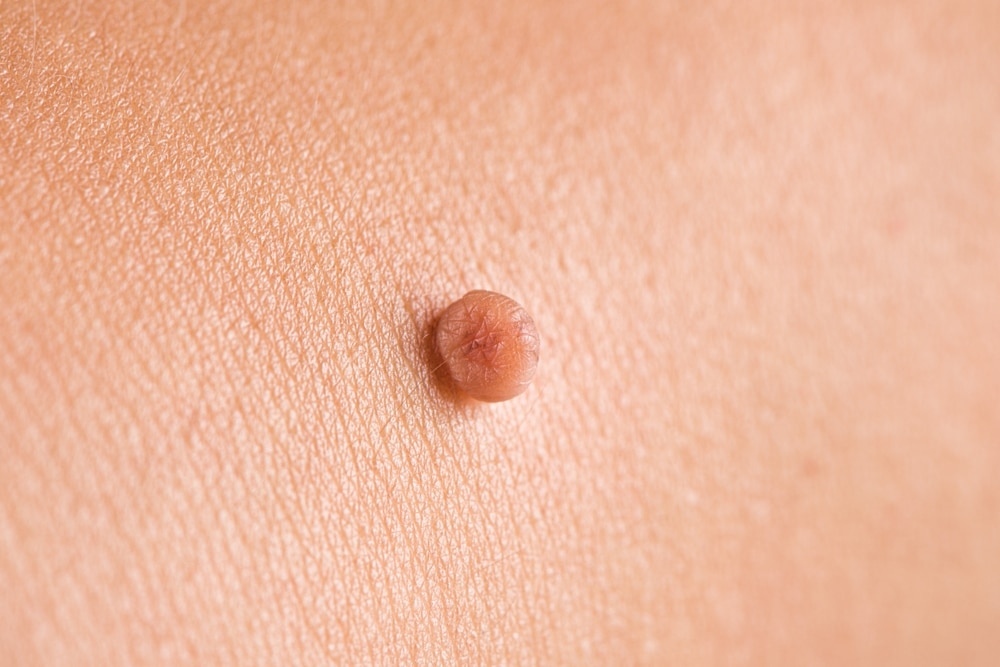
When to See a Dermatologist
Most skin tags are benign and do not require treatment. However, medical advice may be helpful if a growth shows unusual changes.
It may be worth consulting a dermatologist if a skin growth:
- Changes color
- Grows rapidly
- Becomes painful
- Begins to bleed
A dermatologist can examine the growth and confirm whether it is a skin tag or another type of skin condition. If necessary, they can also recommend safe removal options.
Understanding Skin Tags
In most situations, skin tags are simply a normal part of how skin evolves over time. While they may seem to appear suddenly, they are usually linked to everyday factors such as friction, hormonal changes, aging, or genetics.
Recognizing these common causes can make their appearance far less mysterious—and much less concerning for those who notice them.